
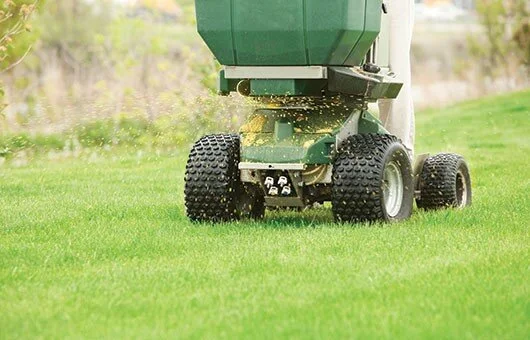
Winter Fertilization: Why It Matters for a Healthy Spring Lawn
Simply Lawns & Landscapes – Winter Lawn Care Done Right
When winter arrives, most lawns enter dormancy — and many homeowners assume that means lawn care is over until spring. But the truth is, winter fertilization is one of the most important steps you can take to strengthen your grass, protect your soil, and set your yard up for a greener, fuller, healthier spring.
Here’s everything you need to know about fertilizing your lawn in winter.
🌱 1. Why Winter Fertilization Matters
Even though your grass isn’t actively growing on top, the roots are still alive below the surface. A well-timed winter fertilizer gives your lawn:
- Stronger root development
- Better resistance to cold weather
- Improved nutrient storage
- Faster spring green-up
- Protection against disease
Think of winter fertilizer as a nutritional “bank” your grass draws from when temperatures warm up.
🧪 2. What Type of Winter Fertilizer Should You Use?
A quality winter fertilizer is different from the quick-growth blends used in summer.
Look for a formula with:
✔ Higher potassium
Boosts cold tolerance and root strength.
✔ Lower nitrogen
Prevents unwanted winter growth and reduces stress.
✔ Slow-release nutrients
Feed the soil gradually during dormancy.
✔ Optional iron
Helps keep grass color stable through winter.
If you’re not sure which fertilizer is right for your grass type, Simply Lawns & Landscapes can recommend or apply the proper blend.
❄️ 3. When Should You Apply Winter Fertilizer?
Timing is everything.
Best application window:
- Late fall through early winter
- When temperatures consistently cool down
- Before the ground freezes
In Georgia, this usually means November through early January, depending on the year’s weather.
Applying too early can stimulate growth at the wrong time; too late can limit root absorption.
🧺 4. Prepare Your Lawn Before Fertilizing
Before applying winter fertilizer, make sure your lawn is in good condition:
- Remove heavy leaves and debris
- Trim tall grass if needed
- Clear sticks and branches
- Ensure soil isn’t waterlogged
A clean, open surface allows nutrients to reach the soil effectively.
💧 5. Watering After Winter Fertilization
After applying winter fertilizer, your lawn needs a little water — not much.
Best practice:
- Light watering to activate the fertilizer
- Avoid watering before freezing nights
- Let winter rain handle most of the moisture
Overwatering in winter can lead to root rot or fungus, so keep it light.
🌿 6. Winter Fertilizer Helps Prevent Spring Weeds
Healthy, well-fed grass in winter leads to:
- Fewer bare spots
- Less soil exposure
- Better suppression of weed growth
A lawn that enters spring with strong roots naturally blocks many early weeds — giving pre-emergent treatments a head start.
🔧 7. Let a Professional Handle the Timing & Blend
Winter fertilizer is simple in theory but easy to get wrong:
- Wrong blend → no benefit
- Wrong timing → wasted product
- Too much nitrogen → winter burn
- Too little coverage → patchy spring color
Simply Lawns & Landscapes provides winter fertilization as part of our seasonal lawn care programs — ensuring your lawn gets exactly what it needs.
❄️ Final Thoughts
Winter fertilization is one of the smartest investments you can make in your lawn. By feeding the roots during dormancy, you’re setting up your yard for stronger growth, deeper color, and a healthier appearance when spring arrives.
If you’d like to schedule a winter fertilizer application or get your lawn on a year-round care program, Simply Lawns & Landscapes is here to help.